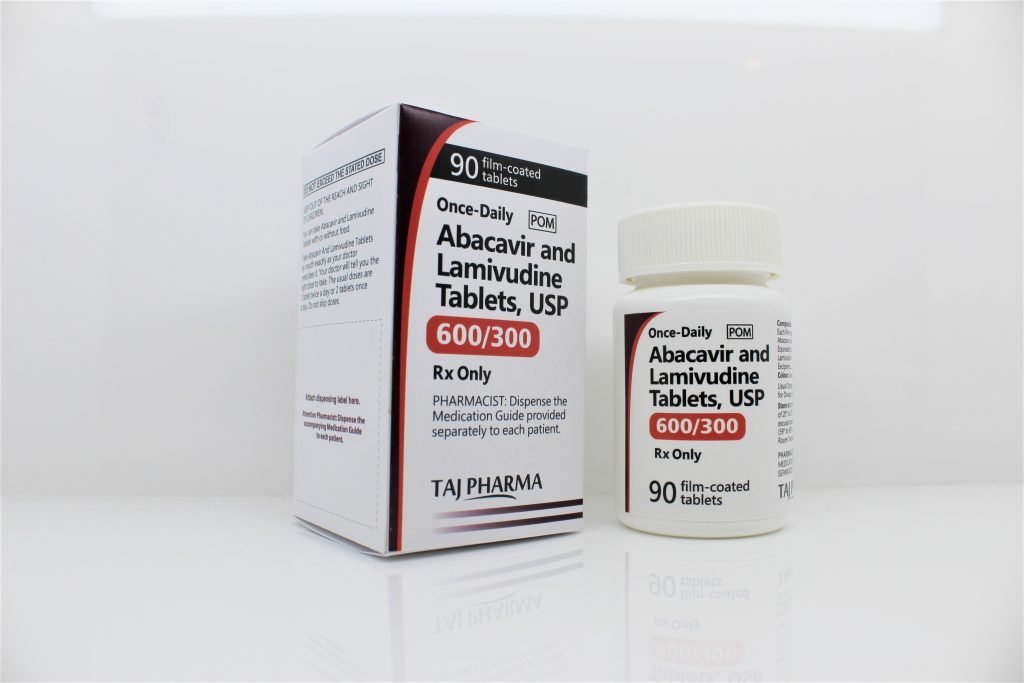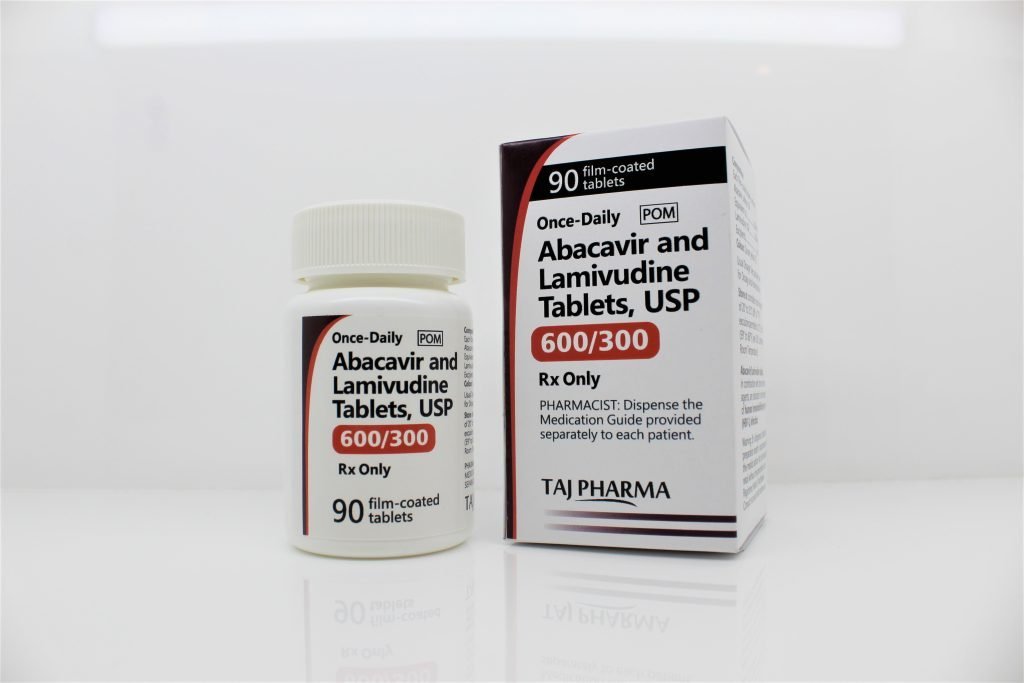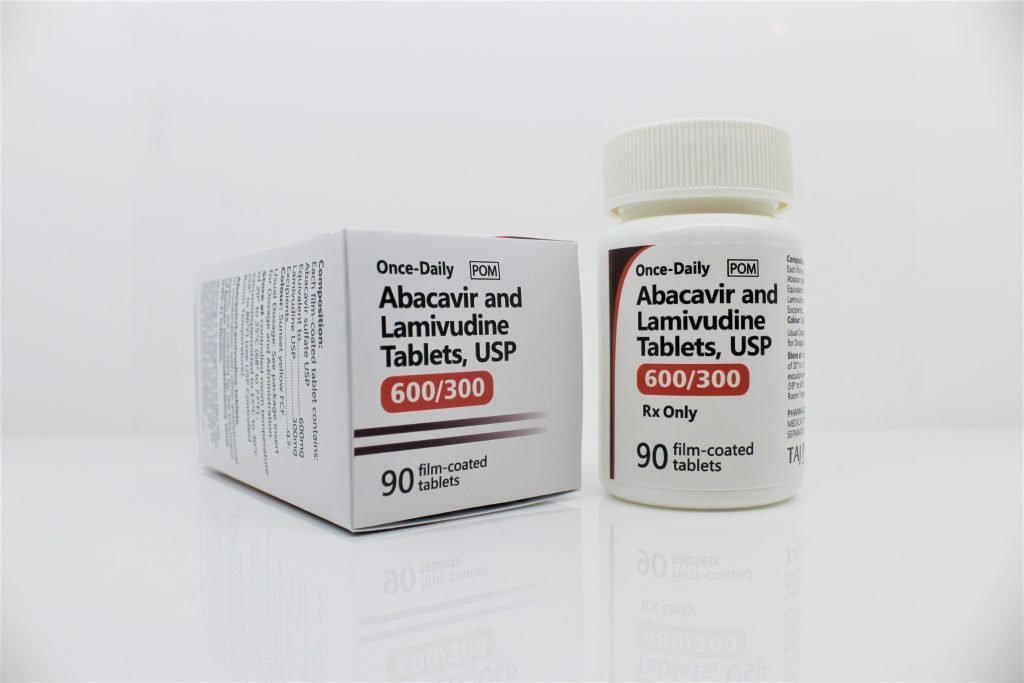

Abacavir and Lamivudine tablet USP 600mg/300mg Technical Specification:
| Product Name: | Abacavir and Lamivudine tablet USP |
| Brand Name: | Generic |
| Strength: | 600mg/300mg |
| Dosage Form: | Tablets (Film-coated) |
| Route of Administration: | Via Oral Route |
| Packing: | 10s, 30s, 100s, 500s |
| Pack Insert/Leaflet: | PIL (Patient Information Leaflet), SmPC (Summary Product Characteristics) |
| Regulatory Documents: | COA, MOA, COPP, FSC, Stability Studies, GMP, CTD Dossier |
| Therapeutic use: | Anti-HIV, Antiretrovirals, AIDS |
| Indication: | Abacavir/Lamivudine is indicated in antiretroviral combination therapy for the treatment of Human Immunodeficiency Virus (HIV) infection in adults, adolescents and children weighing at least 25 kg. |
| Storage: | Store at 20° to 25°C (68° to 77°F) excusions permitted to 15°C to 30°C [see USP Controlled Room Temperature]. |
Abacavir and Lamivudine tablet USP 600mg/300mg Manufacturers, and Suppliers in India:
Taj Pharmaceuticals is of the prominent Abacavir and Lamivudine tablet USP 600mg/300mg Manufacturers in India, bringing the best quality products. Our company Taj Pharma has rich experience in the niche manufacturing of Abacavir and Lamivudine tablet USP 600mg/300mg
Taj Pharmaceuticals is a reputed manufacturer and Abacavir and Lamivudine tablet USP 600mg/300mg Suppliers in India prefer Taj Pharma is best known for the topmost standards and consistent quality of its products.
Taj Pharma is a well-known Abacavir and Lamivudine tablet USP 600mg/300mg Manufacturer in India that assures high- quality and high standards. Strict quality control ensures that every batch of medicine brings a harmonious standard.
Abacavir and Lamivudine tablet USP 600mg/300mg manufactured at Taj Pharma follows ISH; i.e., the product is manufactured to comply with BP quality standards, considered the Best in the world. Further, Taj Pharma uses Abacavir and Lamivudine tablet USP grade best active ingredient to manufacture its Injections to comply with international standards of European products.
GENERIC NAME OF THE MEDICINAL PRODUCT:
- Abacavir and Lamivudine tablet USP 600mg/300mg
QUALITATIVE AND QUANTITATIVE COMPOSITION:
- Abacavir and Lamivudine tablet USP 600mg/300mg
Each Film-coated tablet contains:
Abacavir Sulfate USP
Equivalent to abacavir…………………………………600mg
Lamivudine USP…………………………………………..300mg
Excipients……………….q.s.
Colour: Titanium Dioxide
THERAPEUTIC INDICATIONS:
Abacavir/Lamivudine is indicated in antiretroviral combination therapy for the treatment of Human Immunodeficiency Virus (HIV) infection in adults, adolescents and children weighing at least 25 kg.
CAUTION & WARNING:
CAUTION:
Read enclosed leaflet before use.
Keep medicine out of reach of children.
SWALLOW WHOLE DO NOT CHEW OR CRUSH.
Warning: It is dangerous to take this preparation exept in accordance with the medical advice
Not to be sold by retail without the prescription of a Registered Medical Practitioner.
STORAGE & DOSAGE:
Storage: Store at 20° to 25°C (68° to 77°F) excusions permitted to 15°C to 30°C [see USP Controlled Room Temperature].
Dispense in tight, light resistant Container.
Dosage: As directed by the Physician.
The usual dose is 1 tablet twice a day or 2 tablets once a day.
Do not skip doses.
Attach dispensing label as per end country.
Why Taj Pharmaceuticals?
Taj Pharmaceuticals is a pharmaceutical company that offers several compelling reasons to consider them for Abacavir and Lamivudine tablets. Here are some key factors that make Taj Pharma a preferred choice:
- Quality Assurance: Taj Pharmaceuticals is known for its unwavering commitment to maintaining the highest standards of quality in the pharmaceutical industry. Their manufacturing facilities adhere to strict quality control processes, ensuring that Abacavir and Lamivudine tablets meet stringent quality benchmarks.
- Experience and Expertise: With a substantial presence in the pharmaceutical sector, Taj Pharmaceuticals brings a wealth of experience and expertise to the table. They have a proven track record of delivering safe and effective medications to patients worldwide.
- Research and Development: Taj Pharmaceuticals invests in research and development to continually improve and innovate their products. This dedication to R&D ensures that their medications, including Abacavir and Lamivudine tablets, remain at the forefront of therapeutic efficacy.
- Global Reach: Taj Pharmaceuticals has a widespread distribution network, making its medications accessible to patients and healthcare providers around the world. Their global presence allows for the availability of critical treatments regardless of geographic location.
- Affordability: Taj Pharmaceuticals is mindful of the importance of making healthcare accessible and affordable. They offer cost-effective solutions, ensuring that essential medications like Abacavir and Lamivudine tablets remain within reach for patients without compromising on quality.
- Customer-Centric Approach: Patient satisfaction is a top priority for Taj Pharmaceuticals. They prioritize delivering exceptional service and support, creating a positive healthcare experience for both healthcare professionals and patients.
- Environmental Responsibility: Taj Pharmaceuticals is committed to environmentally responsible manufacturing practices, minimizing its ecological footprint. Their dedication to sustainability aligns with modern environmental concerns.
By choosing Taj Pharmaceuticals for Abacavir and Lamivudine tablets, individuals and healthcare providers are selecting a reliable partner with a strong commitment to quality, safety, affordability, and customer satisfaction. Taj Pharmaceuticals prioritizes the health and well-being of patients, making them a trusted choice for essential medications.
What is Abacavir and Lamivudine Tablet and its uses:
Abacavir and Lamivudine tablets a medications used in the treatment of HIV (human immunodeficiency virus) infection. These two drugs, Abacavir and Lamivudine, are antiretroviral medications that belong to a class of drugs known as nucleoside reverse transcriptase inhibitors (NRTIs). They work by inhibiting the reverse transcriptase enzyme, which is essential for the replication of HIV.
Here’s a brief overview of Abacavir and Lamivudine and their uses:
- Abacavir: Abacavir is an NRTI that helps to prevent the HIV virus from multiplying in the body. It is often used in combination with other antiretroviral drugs to create a highly effective regimen for the treatment of HIV infection.
- Lamivudine: Lamivudine is another NRTI that also inhibits HIV replication. It is often used in combination with other antiretroviral medications to suppress the virus’s growth and reduce the viral load in the bloodstream.
The combination of Abacavir and Lamivudine is often prescribed as part of a multidrug regimen known as Highly Active Antiretroviral Therapy (HAART) or antiretroviral therapy (ART). This combination helps to slow down the progression of HIV infection, increase CD4 cell counts (which are important for the immune system), and reduce the risk of developing AIDS (acquired immunodeficiency syndrome).
It is crucial to note that Abacavir has a specific side effect called hypersensitivity reaction, which can be severe or life-threatening in some cases. Therefore, it is essential for individuals taking this medication to be screened for the HLA-B5701 allele before starting treatment with Abacavir. If the test is positive, Abacavir should be avoided due to the high risk of hypersensitivity reactions. Abacavir and Lamivudine tablets are available in various brand names and formulations, and their use should always be under the supervision of a healthcare professional who specializes in the treatment of HIV/AIDS. These medications are typically used in combination with other antiretroviral drugs to create a personalized treatment plan tailored to the patient’s specific needs.
How does Abacavir and Lamivudine Tablet Work?
Abacavir and Lamivudine tablets work by inhibiting the replication of the human immunodeficiency virus (HIV) within the body. These medications belong to a class of drugs known as nucleoside reverse transcriptase inhibitors (NRTIs), and they target a key enzyme called reverse transcriptase, which is essential for the replication of HIV. Here’s how they work:
- HIV Infection: HIV is a virus that attacks the immune system, specifically targeting CD4 T-cells, which are critical for the body’s ability to fight off infections. The virus enters these cells and uses reverse transcriptase to convert its RNA genetic material into DNA. This DNA is then integrated into the host cell’s genome, allowing the virus to reproduce and spread throughout the body.
- Nucleoside Reverse Transcriptase Inhibitors (NRTIs): Abacavir and Lamivudine are NRTIs. They are structurally similar to the building blocks (nucleosides) of DNA. When taken into the body, these drugs are converted into their active forms within cells.
- Inhibition of Reverse Transcriptase: Once inside the CD4 T-cells infected with HIV, Abacavir and Lamivudine are incorporated into the growing viral DNA chain by the HIV reverse transcriptase enzyme. However, their incorporation causes premature termination of the DNA chain, preventing it from elongating further. This disruption inhibits the ability of HIV to replicate its genetic material accurately.
- HIV Replication Suppression: By interfering with the reverse transcriptase enzyme’s function, Abacavir and Lamivudine effectively hinder the virus’s ability to make copies of itself. This reduces the viral load in the bloodstream, slows down the progression of HIV infection, and helps to preserve CD4 T-cell counts. As a result, the immune system becomes better equipped to fight infections, and the individual’s overall health is improved.
It’s important to note that Abacavir and Lamivudine are often used in combination with other antiretroviral drugs to create a highly effective antiretroviral therapy (ART) regimen. This combination approach is crucial in managing HIV because it reduces the likelihood of the virus developing resistance to a single drug. HIV treatment is typically tailored to the individual’s specific needs and may involve a combination of drugs from different classes to achieve optimal results while minimizing side effects and drug resistance.
Benefits of Abacavir and Lamivudine Tablets:
- Effective HIV Suppression: Abacavir and Lamivudine, when used as part of combination antiretroviral therapy (ART), are effective at suppressing HIV replication in the body. This can significantly reduce the viral load (the amount of HIV in the bloodstream) and slow down the progression of HIV infection.
- Preservation of Immune Function: By reducing viral replication and increasing CD4 T-cell counts, these medications help preserve and strengthen the immune system. This can lead to improved overall health and a reduced risk of opportunistic infections.
- Improved Quality of Life: Effective HIV treatment with Abacavir and Lamivudine can improve the quality of life for individuals living with HIV by reducing symptoms, preventing illness, and allowing them to lead more normal, healthy lives.
Potential Side Effects of Abacavir and Lamivudine Tablets:
- Hypersensitivity Reaction: One of the most serious potential side effects of Abacavir is a hypersensitivity reaction, which can be life-threatening. Symptoms may include fever, rash, nausea, vomiting, diarrhea, abdominal pain, fatigue, and respiratory symptoms (such as cough or difficulty breathing). It’s crucial for individuals to be screened for the HLA-B5701 allele before starting Abacavir to assess their risk for this reaction. If a person tests positive for HLA-B5701, Abacavir should be avoided.
- Other Common Side Effects: Common side effects of Abacavir and Lamivudine may include headache, nausea, diarrhea, and fatigue. These side effects are usually mild to moderate and tend to improve over time. However, if these symptoms persist or worsen, it’s important to inform your healthcare provider.
- Lactic Acidosis: Although rare, there is a risk of lactic acidosis with NRTIs like Lamivudine. This condition involves the buildup of lactic acid in the blood and can lead to symptoms such as weakness, rapid breathing, abdominal pain, and muscle aches. Lactic acidosis is more likely to occur in individuals with underlying medical conditions, so it’s important to inform your healthcare provider of any existing health issues.
- Bone Marrow Suppression: These drugs can affect the bone marrow’s ability to produce blood cells, including red blood cells, white blood cells, and platelets. This can result in anemia, neutropenia (low white blood cell count), or thrombocytopenia (low platelet count). Regular blood tests are typically performed to monitor for these potential side effects.
It’s essential for individuals living with HIV to have regular check-ups with their healthcare providers while taking Abacavir and Lamivudine or any other antiretroviral medications. Adhering to the prescribed treatment plan, discussing any side effects promptly, and following all medical advice are crucial for effectively managing HIV and minimizing potential risks.
Frequently Asked Questions About Abacavir and Lamivudine Tablet:
Here are some frequently asked questions about Abacavir and Lamivudine tablets:
- What is the Abacavir and Lamivudine tablet used for?
Abacavir and Lamivudine tablets are used in the treatment of HIV (human immunodeficiency virus) infection. They are typically prescribed as part of a combination antiretroviral therapy (ART) regimen to suppress HIV replication in the body.
- How do Abacavir and Lamivudine work?
Abacavir and Lamivudine are nucleoside reverse transcriptase inhibitors (NRTIs) that inhibit the reverse transcriptase enzyme essential for HIV replication. By interfering with this enzyme, they prevent the virus from making accurate copies of its genetic material.
- Are there any specific precautions when taking Abacavir and Lamivudine?
Yes, there are important precautions. Before starting Abacavir, individuals should be tested for the HLAB5701 allele to assess their risk for a severe hypersensitivity reaction. If positive, Abacavir should be avoided. It’s also crucial to take the medication as prescribed and not skip doses to prevent resistance.
- What are the potential side effects of Abacavir and Lamivudine?
Common side effects may include headache, nausea, diarrhea, and fatigue. However, a severe hypersensitivity reaction is a rare but serious side effect that can be life-threatening. Other potential side effects include lactic acidosis and bone marrow suppression.
- Can Abacavir and Lamivudine cure HIV?
No, Abacavir and Lamivudine, like all HIV medications, cannot cure HIV. They are used to manage the infection by suppressing viral replication and improving immune function. HIV remains a chronic condition, and lifelong treatment is typically required.
- What should I do if I miss a dose of Abacavir and Lamivudine?
If you miss a dose, take it as soon as you remember. However, if it’s close to the time for your next dose, skip the missed dose and continue with your regular dosing schedule. Do not take a double dose to make up for a missed one.
- Can I drink alcohol while taking Abacavir and Lamivudine?
It’s generally advisable to limit alcohol consumption while taking HIV medications, including Abacavir and Lamivudine, as alcohol can interact with these drugs and potentially affect their effectiveness or increase the risk of side effects. It’s best to discuss alcohol use with your healthcare provider.
- Is it safe to take Abacavir and Lamivudine during pregnancy and breastfeeding?
Pregnant individuals with HIV should discuss their treatment options with their healthcare provider. In some cases, Abacavir and Lamivudine may be part of a safe and effective regimen during pregnancy. Breastfeeding while taking these medications is generally not recommended due to the risk of HIV transmission through breast milk.
- Can I switch to Abacavir and Lamivudine from another HIV medication?
Switching HIV medications should be done under the guidance of a healthcare provider. They can assess your specific situation and determine whether a switch to Abacavir and Lamivudine or any other medication is appropriate.
- How often should I have follow-up appointments while taking Abacavir and Lamivudine?
Regular follow-up appointments with your healthcare provider are essential while taking Abacavir and Lamivudine. The frequency of these appointments may vary based on your individual health and treatment plan, but they are typically scheduled every 3 to 6 months to monitor your HIV viral load, CD4 cell counts, and any potential side effects. It’s important to keep these appointments to ensure the effectiveness of your treatment.
As Abacavir and Lamivudine Tablet USP 600mg/300mg Exporters; We can cater to export business queries from the following geographies. We are exporting our Abacavir and Lamivudine Tablet USP 600mg/300mg product to the Following Countries
Russia and CIS Countries: Azerbaijan, Armenia, Belarus, Georgia, Kazakhstan, Kyrgyzstan, Moldova, Russia, Tajikistan, Turkmenistan, Uzbekistan and Ukraine
GCC/ Middle East Countries: Saudi Arabia, Yemen, Oman, Bahrain, UAE, Lebanon, Jordan, Iraq.
African Countries: Nigeria, Tanzania, Sudan, Zambia, Benin, Angola, Liberia
Southeast Asia: Cambodia, Indonesia, Laos, Malaysia, Myanmar, Philippines, Singapore, Thailand, Vietnam, Brunei Darussalam
Other Asian Countries: Nepal, Myanmar, Malaysia, Cambodia, Bhutan, Sri Lanka, Mauritius
Abacavir and Lamivudine Tablet USP 600mg/300mg Regulatory Documents:
- Certificate of Analysis (COA)
- Method of Analysis (MOA)
- Stability Data (Accelerated stability / Long-term stability / Zone 4b)
- CTD Dossier / ACTD Dossiers / eCTD Dossiers
- Certificate of Pharmaceuticals Product (COPP)
- Free Sale Certificate (FSC)
Abacavir and Lamivudine tablet USP 600mg/300mg Gallery